Our local Sunday paper had an interesting article called ‘The work and art of writing: Muscle vs. Muse’. The author, Joe Kurmaskie, contacted different authors to see which approach they used. He writes, “Without exception, generous amounts of coffee enter the equation, and divine inspiration packaged as an entire book waiting to be channeled strikes no one.” Here's the article. I know we’ve talked about muscling through the writing process before, but it does bear repeating. Especially if you’re a forty-something writer with a fairly full plate who’s been procrastinating new writing a lot. *ahem* A whole lot.
I think I can safely say that every writer I know, have met, or have heard talk about this subject – every one – considers themselves to be a writing athlete. They don’t write for the muse, they keep going no matter what. That doesn’t mean that they don’t pay attention when a story idea appears in their heads, it just means that this is a job, pure and simple. It’s the difference between a local running club and the Olympic trials, between talking about a secondary degree and actually enrolling, between dating and getting married. It’s about commitment.
After finishing my first book, I think I’ve spent a wee bit too much time patting myself on the back and waiting for everyone to fall at my feet in awe of my accomplishment. Can you see me rolling my eyes here? (I think I sprained my eyelids. Ouch.) So I’m refocusing on my commitment to this rollercoaster ride of a calling, and thinking back to what made me decide to do this in the first place.
Let’s all renew our vows, so to speak. What made you realize you had committed to writing? What makes you continue to be committed to this wacky journey? And should we all be committed for thinking we can do this? *g*

Sunday, August 24, 2008


Friday, August 22, 2008
Every Four Years
It began when I was ten.
That summer, the summer of ’84, my parents piled my sister and I into a used van and we headed west from our upstate New York home. For ten weeks we lived out of that van, traversing the country and stopping everywhere from Yellowstone and Mt. Rushmore to Wall Drug and the Corn Palace. It was an incredible journey with an even more fantastic destination: Los Angeles and the Games of the XXIII Olympiad.
That was the summer that my deep love of the Olympics was born. I was there when the now-familiar Olympic Fanfare and Theme was heard for the very first time in history during the Opening Ceremony, I was there when Mary Lou Retton tumbled across the floor towards America’s first All-Around gold, I was there when Carl Lewis flew down the track in world record time, and I was there when the president of the IOC handed the Olympic flag to the South Korean president and he danced across the stage with it like a child with a shiny new toy.
What is it about the Olympics that captures our imaginations and makes us stand still and hold our breath for sixteen days? Is it the beauty of a tiny gymnast spinning through the air and the powerful majesty of a swimmer moving through water? Is it the look on an athlete’s face when he bows his head to receive his gold medal and the way a runner falls to her knees after winning the 100-meter dash? Or is it the bubble in which the Olympics seems to exist, as though all the evil of the world, all that stuff outside, cannot touch it? It is all of these things, and a thousand things more.
My father was a marathoner who participated in the Olympic Trials in ’68. And though he didn’t make it to Mexico City that year, he continued to run marathons for decades after. He loves running so much that he founded the Road Runners Club in the county where we lived and trained my stepmother for her own marathons. I’m sure when he ran in the Trials he could only see the immediate goal of getting to the Olympics in front of him. When he didn’t achieve that, instead of quitting, he turned his passion into a lifelong love, and inspired others to do the same.
As writers, we’re engaged in a marathon every time we start a new story. When we write, we go into that zone that marathoners talk about: just one foot in front of the other, just one moment at a time. Don’t worry about Mile 23 when you’re at Mile 15. And don’t forget to breathe.
We may not all win the publishing equivalent of a gold medal: a Pulitzer or a Newbery or a RITA. But if we fill ourselves with joy every time we sit down to write, just as a runner does when he steps out onto the track in the morning light, we have won. If we turn our passion into a lifelong love, we have won. And if you’ve ever written the words THE END, you know you’ve run a marathon.
My father never held it against the Olympics that he didn’t make it there. He’s been to every Summer Games since the 1976 Montreal Games, except for Moscow ’80 and Seoul ’88. He’s in Beijing right now, watching the marathoners trickle into the Bird’s Nest, one by one, each on their own journey. That is the beauty of the Olympics; it loves everyone that comes to it with a dream or a hope or a desire to be inspired.
Writing is like that too. It loves us deeply. It wants us to succeed, whatever that might mean to us. It whispers encouragement in our ear as we tie our laces and set our foot on that track. It loves us even when we falter at Mile 21 and rejoices when we cross the finish line.
The Olympic Creed reads, “The most important thing in the Olympic Games is not to win but to take part, just as the most important thing in life is not the triumph but the struggle. The essential thing is not to have conquered but to have fought well.” They are words we hold true for sixteen days every four years, and should carry with us every day in between.
That summer, the summer of ’84, my parents piled my sister and I into a used van and we headed west from our upstate New York home. For ten weeks we lived out of that van, traversing the country and stopping everywhere from Yellowstone and Mt. Rushmore to Wall Drug and the Corn Palace. It was an incredible journey with an even more fantastic destination: Los Angeles and the Games of the XXIII Olympiad.
That was the summer that my deep love of the Olympics was born. I was there when the now-familiar Olympic Fanfare and Theme was heard for the very first time in history during the Opening Ceremony, I was there when Mary Lou Retton tumbled across the floor towards America’s first All-Around gold, I was there when Carl Lewis flew down the track in world record time, and I was there when the president of the IOC handed the Olympic flag to the South Korean president and he danced across the stage with it like a child with a shiny new toy.
What is it about the Olympics that captures our imaginations and makes us stand still and hold our breath for sixteen days? Is it the beauty of a tiny gymnast spinning through the air and the powerful majesty of a swimmer moving through water? Is it the look on an athlete’s face when he bows his head to receive his gold medal and the way a runner falls to her knees after winning the 100-meter dash? Or is it the bubble in which the Olympics seems to exist, as though all the evil of the world, all that stuff outside, cannot touch it? It is all of these things, and a thousand things more.
My father was a marathoner who participated in the Olympic Trials in ’68. And though he didn’t make it to Mexico City that year, he continued to run marathons for decades after. He loves running so much that he founded the Road Runners Club in the county where we lived and trained my stepmother for her own marathons. I’m sure when he ran in the Trials he could only see the immediate goal of getting to the Olympics in front of him. When he didn’t achieve that, instead of quitting, he turned his passion into a lifelong love, and inspired others to do the same.
As writers, we’re engaged in a marathon every time we start a new story. When we write, we go into that zone that marathoners talk about: just one foot in front of the other, just one moment at a time. Don’t worry about Mile 23 when you’re at Mile 15. And don’t forget to breathe.
We may not all win the publishing equivalent of a gold medal: a Pulitzer or a Newbery or a RITA. But if we fill ourselves with joy every time we sit down to write, just as a runner does when he steps out onto the track in the morning light, we have won. If we turn our passion into a lifelong love, we have won. And if you’ve ever written the words THE END, you know you’ve run a marathon.
My father never held it against the Olympics that he didn’t make it there. He’s been to every Summer Games since the 1976 Montreal Games, except for Moscow ’80 and Seoul ’88. He’s in Beijing right now, watching the marathoners trickle into the Bird’s Nest, one by one, each on their own journey. That is the beauty of the Olympics; it loves everyone that comes to it with a dream or a hope or a desire to be inspired.
Writing is like that too. It loves us deeply. It wants us to succeed, whatever that might mean to us. It whispers encouragement in our ear as we tie our laces and set our foot on that track. It loves us even when we falter at Mile 21 and rejoices when we cross the finish line.
The Olympic Creed reads, “The most important thing in the Olympic Games is not to win but to take part, just as the most important thing in life is not the triumph but the struggle. The essential thing is not to have conquered but to have fought well.” They are words we hold true for sixteen days every four years, and should carry with us every day in between.
An uplifting read and a writing exercise
A writer friend of mine put a very comforting and inspiring entry up on her blog today. And I've determined that linking this exercise to her blog is way better than the cheesy writing prompt I had for you today.
With that in mind, head out to Lise's blog, read it slowly, in a quiet place. Then, choose one or more of the "activities" she mentions and write a scene in which your main character(s) engage in that activity. Or, if you're a poet, choose and activity and write a poem about the emotions it may invoke.
And remember, we'd love to hear about any breakthroughs or just plain giggles you're experiencing when doing these exercises. Share with us!
All right then, here's the link to the blog:
right here
Good luck and Get writing!
With that in mind, head out to Lise's blog, read it slowly, in a quiet place. Then, choose one or more of the "activities" she mentions and write a scene in which your main character(s) engage in that activity. Or, if you're a poet, choose and activity and write a poem about the emotions it may invoke.
And remember, we'd love to hear about any breakthroughs or just plain giggles you're experiencing when doing these exercises. Share with us!
All right then, here's the link to the blog:
right here
Good luck and Get writing!
Monday, August 18, 2008
Characters
As I'm working through revisions this week, a new character has been e lbowing his way into the story. He's a minor character, but important to the plot. His unexpected arrival has had me thinking a lot about creating characters.
 On that note, my dear friend and mentor, Marsha Skrypuch, just completed running the Brantford Summer Writing Workshops, wherein she presented a workshop on creating characters. When sharing her notes with me, she said, "Another thing that I point out is that not
 once do we ever talk about appearance when building characters because appearance has nothing to do with character."
That really struck me. It's absolutely true in real life, right? So naturally the same holds for characters we're creating. I just had never thought about it. Of course our readers want to know what the characters look like, but that's just packaging. Who they are is the important thing.

How do they act when they think no one is looking? How do they handle stressful situations? What makes them happy? What drives them up a wall? And, more importantly, why? What makes them tick?
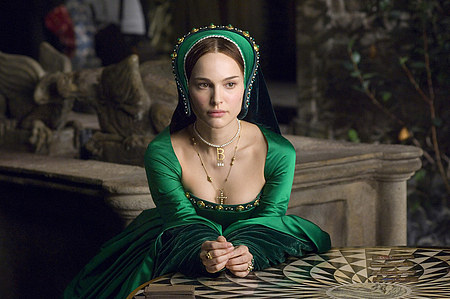 Often, our characters don't even know the answers to those questions... but they should find out through the journey of the story.
Anyone else have a revelation on creating characters they'd like to share? How about a favorite character from something you've read? What made that character memorable to you?
lbowing his way into the story. He's a minor character, but important to the plot. His unexpected arrival has had me thinking a lot about creating characters.On that note, my dear friend and mentor, Marsha Skrypuch, just completed running the Brantford Summer Writing Workshops, wherein she presented a workshop on creating characters. When sharing her notes with me, she said, "Another thing that I point out is that not once do we ever talk about appearance when building characters because appearance has nothing to do with character."That really struck me. It's absolutely true in real life, right? So naturally the same holds for characters we're creating. I just had never thought about it. Of course our readers want to know what the characters look like, but that's just packaging. Who they are is the important thing.
How do they act when they think no one is looking? How do they handle stressful situations? What makes them happy? What drives them up a wall? And, more importantly, why? What makes them tick?
Often, our characters don't even know the answers to those questions... but they should find out through the journey of the story.Anyone else have a revelation on creating characters they'd like to share? How about a favorite character from something you've read? What made that character memorable to you?
Monday, August 11, 2008
Speaking of THE DARK KNIGHT
Or is it just "Dark Knight"? Doesn't matter. I am today holding this blog hostage so I can talk about the movie. And okay, not the whole movie. Yes, I, too, can go on at length about the brilliance of Heath Ledger's performance. I, too, can sigh and swoon over Christian Bale. I, too, can praise the testosterone poisoning that created such great action sequences. But none of that's going to happen here. Here, on a writer's blog, I want to look at character.
So.... I'm in the middle of edits on my latest completed manuscript. And one of the things I struggle with is character depth. Knowing this, when I do edits I go back to familiar sources to help me work through concepts of character. One of these sources is Mary Buckham and Dianna Love's Breaking into Fiction plotting templates. Another is screenwriting guru Michael Hauge. This weekend, with many thanks to Gerb, I sat and watched Hauge (with Chris Vogler) talk about the Hero's Journey and there too he talks about character.
One of the things Hauge stresses when it comes to character is making your characters relatable. He suggests a number of ways to do this. And while I pondered how to make the characters in my manuscript relatable, my thoughts wandered (as they do) until they landed on DARK KNIGHT. I've been going 'round for a couple of weeks saying DK is a fabulous movie, just a hair shy of excellent... but adding that it wasn't quite "my thing". Only, I couldn't put my finger on why. Now, after pondering Hauge, I think it was - FOR ME - a lack of relatability in the characters, and its extension, a lack of likeability. I'm afraid that probabably the character I can most grasp and relate to is Alfred. And seeing as the movie's not about him, the whole experience left me kind of... unmoved.
So, without getting into a bashing and without bringing comic book history into this, what are your thougths? Could it be that there is a lack of relatability in the characters? Or was there some flaw somewhere in the story? What trait exists in Bruce Wayne that the audience should/could relate to? What trait does The Joker possess?
Discuss.
So.... I'm in the middle of edits on my latest completed manuscript. And one of the things I struggle with is character depth. Knowing this, when I do edits I go back to familiar sources to help me work through concepts of character. One of these sources is Mary Buckham and Dianna Love's Breaking into Fiction plotting templates. Another is screenwriting guru Michael Hauge. This weekend, with many thanks to Gerb, I sat and watched Hauge (with Chris Vogler) talk about the Hero's Journey and there too he talks about character.
One of the things Hauge stresses when it comes to character is making your characters relatable. He suggests a number of ways to do this. And while I pondered how to make the characters in my manuscript relatable, my thoughts wandered (as they do) until they landed on DARK KNIGHT. I've been going 'round for a couple of weeks saying DK is a fabulous movie, just a hair shy of excellent... but adding that it wasn't quite "my thing". Only, I couldn't put my finger on why. Now, after pondering Hauge, I think it was - FOR ME - a lack of relatability in the characters, and its extension, a lack of likeability. I'm afraid that probabably the character I can most grasp and relate to is Alfred. And seeing as the movie's not about him, the whole experience left me kind of... unmoved.
So, without getting into a bashing and without bringing comic book history into this, what are your thougths? Could it be that there is a lack of relatability in the characters? Or was there some flaw somewhere in the story? What trait exists in Bruce Wayne that the audience should/could relate to? What trait does The Joker possess?
Discuss.
Tuesday, August 05, 2008
The Big Leagues
Last week, teens everywhere (and a lot of adults) were howling over the imminent release of the newest Stephanie Meyer book, Breaking Dawn. As numerous stories of her path from suburban stay-at-home-mom to bazillionaire author deluged every media outlet, I thought about making it big in publishing. Really, really big. What would that be like? Could I imagine being one of the few in the Big Leagues? Uh, yeah!
When I finished drooling over the imaginary shopping list to spend my bazillions, I wondered what it would take to make my imaginary dream a reality. Is it possible to craft a story that will sell to everyone based on what you know of popular culture? Is there a way to create universal appeal? What makes us latch on to characters, never to let go and forever to sing their praises at book clubs, dinner parties and casual grocery store conversations?
Unfortunately, there isn't a 'bestseller checklist', dang it all. You can use the Hero's Journey templates, write complex and endearing characters, study the trends and predictions, and try to imitate those Big League Authors. But even if you do all those things you could still be a mid-list author, or even an undiscovered one. The only thing you CAN do is tell your story, the best way you can. Will it be great? Will it intrigue an agent and publisher to take a chance and publish it? It's a crap shoot. But when you are true to the story in you, which is what most of the members of the Big League did to get there, I have to believe that good things will come your way.
When I finished drooling over the imaginary shopping list to spend my bazillions, I wondered what it would take to make my imaginary dream a reality. Is it possible to craft a story that will sell to everyone based on what you know of popular culture? Is there a way to create universal appeal? What makes us latch on to characters, never to let go and forever to sing their praises at book clubs, dinner parties and casual grocery store conversations?
Unfortunately, there isn't a 'bestseller checklist', dang it all. You can use the Hero's Journey templates, write complex and endearing characters, study the trends and predictions, and try to imitate those Big League Authors. But even if you do all those things you could still be a mid-list author, or even an undiscovered one. The only thing you CAN do is tell your story, the best way you can. Will it be great? Will it intrigue an agent and publisher to take a chance and publish it? It's a crap shoot. But when you are true to the story in you, which is what most of the members of the Big League did to get there, I have to believe that good things will come your way.
Monday, July 21, 2008
Being Open
One of the things I've learned along this great, grand journey of being an artist is to be open. Open to opportunities and possibilities, and especially to new ideas. So often an idea will pop into our brain and we'll dismiss it as stupid or impossible. This, I've learned, is a mistake. It could be that that idea is the thing that will get us off our over-beaten path and into new territory.
Now, sometimes that new path is a dead end. But I think it's better to take the detour than to continue down our familiar path, always looking over our shoulder and wondering what might have been if we'd gone a different way.
I'm dealing with this right now. I've been working on a YA novel set in 16th century Italy, with a supernatural twist. Although I love the premise and the characters and have the whole novel plotted out, something is just not hooking in for me. I've tried a number of things to break out of this rut but nothing seems to really work. It's very frustrating.
Over the weekend a sudden idea popped into my head. What if this story isn't meant to be set in the 16th century? What if this isn't an historical novel? What if this story is meant to be told in the here and now?
Needless to say, as a self-proclaimed writer of historical fiction who loves and relishes history, this was a pretty radical and scary thought. My first instinct was to sweep this thought under the rug and stomp on it, hard.
But instead I swept all of the "what a stupid idea" thoughts under the rug and stomped on them. Hard.
As a writer, my first responsibility is to tell the story. If there's a chance that this story needs to be told in contemporary times, then I need to explore that.
So this morning when I should have been settling in to write, I got up, futzed around, did the laundry, made some coffee, watched Gilmore Girls on ABC Family, and generally avoided going down this new path. But as I did these empty chores, sentences drifted in and out of my head until one hooked in. The first sentence. I sat down at the computer. And an hour and a half later, I had the first scene.
I don't know if this is the right path for this story yet. But I'm open to going down it for as long as it takes for me to find out. I'm here to serve the story, and sometimes that means putting on a good pair of hiking shoes, tucking a water bottle into your backpack, and following the trail all the way to the sea.
What wild ideas have you had and followed? Are there any ideas you've had that you didn't follow through on and wish you had? And if you're in the midst of following a wild idea right now, please share so I don't feel all alone!
Now, sometimes that new path is a dead end. But I think it's better to take the detour than to continue down our familiar path, always looking over our shoulder and wondering what might have been if we'd gone a different way.
I'm dealing with this right now. I've been working on a YA novel set in 16th century Italy, with a supernatural twist. Although I love the premise and the characters and have the whole novel plotted out, something is just not hooking in for me. I've tried a number of things to break out of this rut but nothing seems to really work. It's very frustrating.
Over the weekend a sudden idea popped into my head. What if this story isn't meant to be set in the 16th century? What if this isn't an historical novel? What if this story is meant to be told in the here and now?
Needless to say, as a self-proclaimed writer of historical fiction who loves and relishes history, this was a pretty radical and scary thought. My first instinct was to sweep this thought under the rug and stomp on it, hard.
But instead I swept all of the "what a stupid idea" thoughts under the rug and stomped on them. Hard.
As a writer, my first responsibility is to tell the story. If there's a chance that this story needs to be told in contemporary times, then I need to explore that.
So this morning when I should have been settling in to write, I got up, futzed around, did the laundry, made some coffee, watched Gilmore Girls on ABC Family, and generally avoided going down this new path. But as I did these empty chores, sentences drifted in and out of my head until one hooked in. The first sentence. I sat down at the computer. And an hour and a half later, I had the first scene.
I don't know if this is the right path for this story yet. But I'm open to going down it for as long as it takes for me to find out. I'm here to serve the story, and sometimes that means putting on a good pair of hiking shoes, tucking a water bottle into your backpack, and following the trail all the way to the sea.
What wild ideas have you had and followed? Are there any ideas you've had that you didn't follow through on and wish you had? And if you're in the midst of following a wild idea right now, please share so I don't feel all alone!
Friday, July 18, 2008
Weekly Writing Prompt
This week, there are two options to choose from, both tied to the phrase "Blast from the Past".
Option one:
For those of you with manuscripts under your bed or hidden away in a drawer or in the back of your closet, "resurrect" two or three of the main characters from that old manuscript and have them attend a reunion (for a school, a club, a job, the choice is yours). Try and find a way to show the reader how much the characters have grown and changed during the intervening years.
Option two:
Write a scene in which characters from your work in progress or characters created for this exercise (or write a poem about the emotion evoked) come across an object from their past. Think: cleaning out the attic or garage. What do they find? How does it make them feel? Explore emotions; make the reader laugh or cry or both.
Easy, right? Good! Now get writing!
As always, feel free to share your experiences doing this exercise in the comments section.
Option one:
For those of you with manuscripts under your bed or hidden away in a drawer or in the back of your closet, "resurrect" two or three of the main characters from that old manuscript and have them attend a reunion (for a school, a club, a job, the choice is yours). Try and find a way to show the reader how much the characters have grown and changed during the intervening years.
Option two:
Write a scene in which characters from your work in progress or characters created for this exercise (or write a poem about the emotion evoked) come across an object from their past. Think: cleaning out the attic or garage. What do they find? How does it make them feel? Explore emotions; make the reader laugh or cry or both.
Easy, right? Good! Now get writing!
As always, feel free to share your experiences doing this exercise in the comments section.
Monday, July 14, 2008
Changes
It was a tough weekend. My childrens' dance teacher lost her father, and a friend lost her husband. One was unexpected, and one defied every medical opinion. Both changes, both part of life. Changes, yes, but unpleasant ones. Just call me Debbie Downer.
After I bawled my eyes out, I felt the need to put words on paper. Do something creative. Anything, really. And so I started another edit of my book. I had decided that one specific character needed to have a major change, which sent me off on adding, deleting and solving continuity issues.
In a totally self-centered way, making the changes in my manuscript made me feel better. I can't do anything to make my friends hurt less. Only time will do that. But changes, even uncomfortable ones, can lead to good things.
What changes have happened lately in your life ,or your pages, or both?
After I bawled my eyes out, I felt the need to put words on paper. Do something creative. Anything, really. And so I started another edit of my book. I had decided that one specific character needed to have a major change, which sent me off on adding, deleting and solving continuity issues.
In a totally self-centered way, making the changes in my manuscript made me feel better. I can't do anything to make my friends hurt less. Only time will do that. But changes, even uncomfortable ones, can lead to good things.
What changes have happened lately in your life ,or your pages, or both?
Friday, July 11, 2008
30 Pages, Baby
Check out Nathan Bransford's blog where he explains the importance of those first 30 pages in a requested partial.
Monday, July 07, 2008
Setting Attainable Goals
It's Monday. Though it's the start of the week at my day job, it's the end of the week for my writing goals. Why my week runs Tuesday to Monday... long story. And the most important part of that long story is: it works for me. For some folks, Sunday through Saturday is better. But I digress...
One of my goals for this week now ending was actually a "cheat" goal, because the text of the goal reads "outline goals for second half of the year". Setting goals should not be a goal in itself, you see. But for me, achieving goals is a lot about time management. So if I write a task on my goal list, I know I have to carve out time to sit and perform the task -- in this case, taking a piece of paper and listing what I want to achieve in the next sixth months.
The important concept here is the attention to what I want to achieve and how I can make that happen. I recently had a chat with someone who said "My goal is to be published within two years." Hey, no argument that's a worthy aspiration. But it's a dream, not a goal. As a goal, it's got a built-in flaw and no, it's not completely the two-year thing. The trouble with that goal is that it does not rely wholly on personal ability. Unless you've already decided you're going to self-publish through a vanity press, part of the goal is in someone else's hands. The decision to publish you or not publish you belongs to an editor and/or an editorial board and/or a publisher -- and marketing may have their say as well! So to say "My goal is to be published" is to put your goal in someone else's hands. You've given the power to achieve that goal to someone else.
This, of course, is a very long way of saying, when you set a goal, make certain it's a goal you personally can achieve. Absolutely don't give up the dream of publishing, of best-seller lists, of Oprah picks and Pulitzers. But make your goal to write the best book you can, to write every day, to take a class in writing craft, and so on. Set a goal you can accomplish...
...and you'll be surprised by how much you achieve.
One of my goals for this week now ending was actually a "cheat" goal, because the text of the goal reads "outline goals for second half of the year". Setting goals should not be a goal in itself, you see. But for me, achieving goals is a lot about time management. So if I write a task on my goal list, I know I have to carve out time to sit and perform the task -- in this case, taking a piece of paper and listing what I want to achieve in the next sixth months.
The important concept here is the attention to what I want to achieve and how I can make that happen. I recently had a chat with someone who said "My goal is to be published within two years." Hey, no argument that's a worthy aspiration. But it's a dream, not a goal. As a goal, it's got a built-in flaw and no, it's not completely the two-year thing. The trouble with that goal is that it does not rely wholly on personal ability. Unless you've already decided you're going to self-publish through a vanity press, part of the goal is in someone else's hands. The decision to publish you or not publish you belongs to an editor and/or an editorial board and/or a publisher -- and marketing may have their say as well! So to say "My goal is to be published" is to put your goal in someone else's hands. You've given the power to achieve that goal to someone else.
This, of course, is a very long way of saying, when you set a goal, make certain it's a goal you personally can achieve. Absolutely don't give up the dream of publishing, of best-seller lists, of Oprah picks and Pulitzers. But make your goal to write the best book you can, to write every day, to take a class in writing craft, and so on. Set a goal you can accomplish...
...and you'll be surprised by how much you achieve.
Saturday, July 05, 2008
Weekly Writing Prompt
Well, now. This one's going to seem like a bit of a cop-out given the calendar, and given that we did a one-word prompt last week. But this one's tried and true and quite honestly one of my favorites. And why mess with a winner, huh? So this week, again, we're working with a one-word prompt. Mull it over in your mind, think about your characters, old and new, let the ideas flow -- and then let your pen flow across the page. Ready? This week's word prompt is: fireworks.
Got it? Good. Now get writing!
As always, please feel free to share in the comments section how this exercise helped you -- or how it made you tear your hair out : )
Got it? Good. Now get writing!
As always, please feel free to share in the comments section how this exercise helped you -- or how it made you tear your hair out : )
Friday, July 04, 2008
Happy Independence Day
Have a happy and safe Fourth of July! My family is doing chores right now. Number One son goes to work in an hour, and Number Two son is flying back from Nashville as I type this. Number Three son is still in his jammies, avoiding his room like the plague it is - it's good to be the king.
If you're in the US, have a terrific holiday. If not, have a great Friday!
If you're in the US, have a terrific holiday. If not, have a great Friday!
Friday, June 27, 2008
Weekly Writing Prompt 6/27
While I'm quite certain you've all been busily writing despite a couple of prompt-free weeks, I'm going to throw you something new just to keep those fires stoked *S*
Sometimes the more specific a prompt is, the easier it is to write with/about. But I'm actually a fan of the generalized prompt. I like an idea I can turn over in my mind, something I can stew over for a while. So that's what this week will be, one of the classic, one-word prompt weeks. In this exercise, I give you one word and from it you build a scene, a poem, a short story, a haiku - whatever gets your pen moving across the paper. Follow the idea wherever your mind takes you. Use characters from your work in progress, characters created for the exercise, or whatever adds variety to your chosen medium, ok? Okay.
This week's word is: burned.
Got it? Good. Now get writing!
Sometimes the more specific a prompt is, the easier it is to write with/about. But I'm actually a fan of the generalized prompt. I like an idea I can turn over in my mind, something I can stew over for a while. So that's what this week will be, one of the classic, one-word prompt weeks. In this exercise, I give you one word and from it you build a scene, a poem, a short story, a haiku - whatever gets your pen moving across the paper. Follow the idea wherever your mind takes you. Use characters from your work in progress, characters created for the exercise, or whatever adds variety to your chosen medium, ok? Okay.
This week's word is: burned.
Got it? Good. Now get writing!
Thursday, June 26, 2008
Quote of the Week
Ginger's traveling, so I thought I'd drop in for this week's quote. I have two:
"Come on baby, light my fire." The Doors
"Just Do It." Nike
"Come on baby, light my fire." The Doors
"Just Do It." Nike
Monday, June 23, 2008
Heat
Last week I moved to Burbank, California, which is nestled in the Valley, the hottest part of Los Angeles County. Right now we're having a heat wave of temperatures over 100 degrees.
There's a tendency to slow down when it gets this hot, to sprawl out with a mint julep and five air conditioners pointed right at you. But I think there's a way to cultivate heat and use it to our advantage.
What if we internalized that heat and used it to build a fire from which all of our creative energy flows? Imagine a pan filled with all of your favorite vegetables. It's not until the heat is applied that it becomes a sizzling masterpiece.
Instead of the lazy hazy days of summer, let's use the heat to fire up our writing. If you find yourself sitting on your couch, complaining that it's too hot to move, try this little exercise:
Close your eyes.
Picture a banked fire in the pit of your belly.
Inhale deep for at least five counts.
Exhale slow for another five counts. As you exhale, imagine your breath stoking the fire in your belly.
With each exhale the fire grows a little bigger, the flames lick out to other parts of your body.
When the flames reach your fingertips, pick up your pen or touch your keyboard.
Then let the fire spill out of your body and onto the page.
At the end of your writing session, reward yourself with a mint julep. Happy Midsummer, everyone!
There's a tendency to slow down when it gets this hot, to sprawl out with a mint julep and five air conditioners pointed right at you. But I think there's a way to cultivate heat and use it to our advantage.
What if we internalized that heat and used it to build a fire from which all of our creative energy flows? Imagine a pan filled with all of your favorite vegetables. It's not until the heat is applied that it becomes a sizzling masterpiece.
Instead of the lazy hazy days of summer, let's use the heat to fire up our writing. If you find yourself sitting on your couch, complaining that it's too hot to move, try this little exercise:
Close your eyes.
Picture a banked fire in the pit of your belly.
Inhale deep for at least five counts.
Exhale slow for another five counts. As you exhale, imagine your breath stoking the fire in your belly.
With each exhale the fire grows a little bigger, the flames lick out to other parts of your body.
When the flames reach your fingertips, pick up your pen or touch your keyboard.
Then let the fire spill out of your body and onto the page.
At the end of your writing session, reward yourself with a mint julep. Happy Midsummer, everyone!
Tuesday, June 17, 2008
The value of connections
This has been a busy week for our FTP peeps. Ginger and I were in New York visiting Jen, Nicole's got a show and a move, Barb's relocating, and Linda's on vacation. Whew! No wonder I heard crickets when I came over here!
And about connections...it's been a pretty good week. Ginger and I attended the LIRW luncheon last Friday. Since Jen is a member of LIRW, she helped with the seating arrangements. I asked if we could sit with Janet Reid, an agent with Fine Print. I had seen Janet at the Surrey Conference last year, and was told she had a sense of humor. I'm all about the funny. So we talk, we schmooze, we pitch, we collect cards, and we imbibe some fab champagne punch. Then we sit at our table. Jen introduces Ginger and I as guests, and explains where we're from. Janet then asks more specific questions about where I live. After a bit of back and forth, turns out Janet lived in the same town I did. And almost on the same street. We went to the same college, know the same people...the list goes on. It was an instant connection. Ginger, Jen and I were amazed. It was one of those golden moments when everyone is smart, everything is funny, and every quip leads to another one just as hilarious.
We laughed ourselves silly, but the luncheon came to an end. Then, as we were saying our goodbyes, Janet asks if we want to come to a book signing in the city that night. Just a little one, but there'll be a toasting afterward, since this author is going to debut at #1 on the NYT Bestseller list next week. Do we? Uhhh, yeah!
I'll let Jen or Ginger talk about the signing and party. The gist here, and this was mentioned by Janet many times, is that the writing world is a small community, and connections can make you. Even if Janet doesn't remember us, we'll have something to talk to her about when we see her again, or when we send her a query. I made a new connection with Janet, and refreshed older connections with Jen and Ginger. Like I said, it's been a good week.
And about connections...it's been a pretty good week. Ginger and I attended the LIRW luncheon last Friday. Since Jen is a member of LIRW, she helped with the seating arrangements. I asked if we could sit with Janet Reid, an agent with Fine Print. I had seen Janet at the Surrey Conference last year, and was told she had a sense of humor. I'm all about the funny. So we talk, we schmooze, we pitch, we collect cards, and we imbibe some fab champagne punch. Then we sit at our table. Jen introduces Ginger and I as guests, and explains where we're from. Janet then asks more specific questions about where I live. After a bit of back and forth, turns out Janet lived in the same town I did. And almost on the same street. We went to the same college, know the same people...the list goes on. It was an instant connection. Ginger, Jen and I were amazed. It was one of those golden moments when everyone is smart, everything is funny, and every quip leads to another one just as hilarious.
We laughed ourselves silly, but the luncheon came to an end. Then, as we were saying our goodbyes, Janet asks if we want to come to a book signing in the city that night. Just a little one, but there'll be a toasting afterward, since this author is going to debut at #1 on the NYT Bestseller list next week. Do we? Uhhh, yeah!
I'll let Jen or Ginger talk about the signing and party. The gist here, and this was mentioned by Janet many times, is that the writing world is a small community, and connections can make you. Even if Janet doesn't remember us, we'll have something to talk to her about when we see her again, or when we send her a query. I made a new connection with Janet, and refreshed older connections with Jen and Ginger. Like I said, it's been a good week.
Wednesday, June 11, 2008
Ask The Agent
FYI - My agent, Elaine Spencer from The Knight Agency is answering questions every Friday in an Ask the Agent feature on Kwana Jackson's blog. Go check it out!
Wednesday, June 04, 2008
Monday, June 02, 2008
Do they make Neosporin for this?
I’ve reached a milestone in my writing career (and don’t think that the phrase ‘writing career’ doesn’t make me giggle). I am almost ready to submit my first novel to agents. I have a query letter or three ready to go, and 252 pages of a twice-edited manuscript – 84,658 words that I’m sure will dazzle.
Now what?
I remember the first time I posted a snippet of my writing for critique. I actually felt nauseous. I was a mess. I mean, to open myself up to that kind of criticism…what could I possibly have been thinking? But once those first crits came in, both good and bad, I was able to stop popping antacids like breath mints. It was similar to taking off a band-aid, and it did get easier each time I did it. I hardly ever have to throw up now.
So here I am facing my first real world band-aid. This time I’m going to send my work to a professional in the publishing business. Will it be good enough? Will I stack up rejections as every author does? Is there a market for it? Does it re-define suckiness?
I’ll never know until I hit the ‘send’ button.
Tell us your story, good or bad, about ripping off the band-aid. Sharing your work for the first time. Querying agents. Submitting story changes to editors. It can be any challenge that you faced and conquered, even if the end result wasn’t exactly what you planned.
I hope my band-aid only stings a little. :-)
Now what?
I remember the first time I posted a snippet of my writing for critique. I actually felt nauseous. I was a mess. I mean, to open myself up to that kind of criticism…what could I possibly have been thinking? But once those first crits came in, both good and bad, I was able to stop popping antacids like breath mints. It was similar to taking off a band-aid, and it did get easier each time I did it. I hardly ever have to throw up now.
So here I am facing my first real world band-aid. This time I’m going to send my work to a professional in the publishing business. Will it be good enough? Will I stack up rejections as every author does? Is there a market for it? Does it re-define suckiness?
I’ll never know until I hit the ‘send’ button.
Tell us your story, good or bad, about ripping off the band-aid. Sharing your work for the first time. Querying agents. Submitting story changes to editors. It can be any challenge that you faced and conquered, even if the end result wasn’t exactly what you planned.
I hope my band-aid only stings a little. :-)
Subscribe to:
Comments (Atom)